

The Clipping Economy
Aka an article that broke our brains about truly how fake our feeds are

Hi friends!
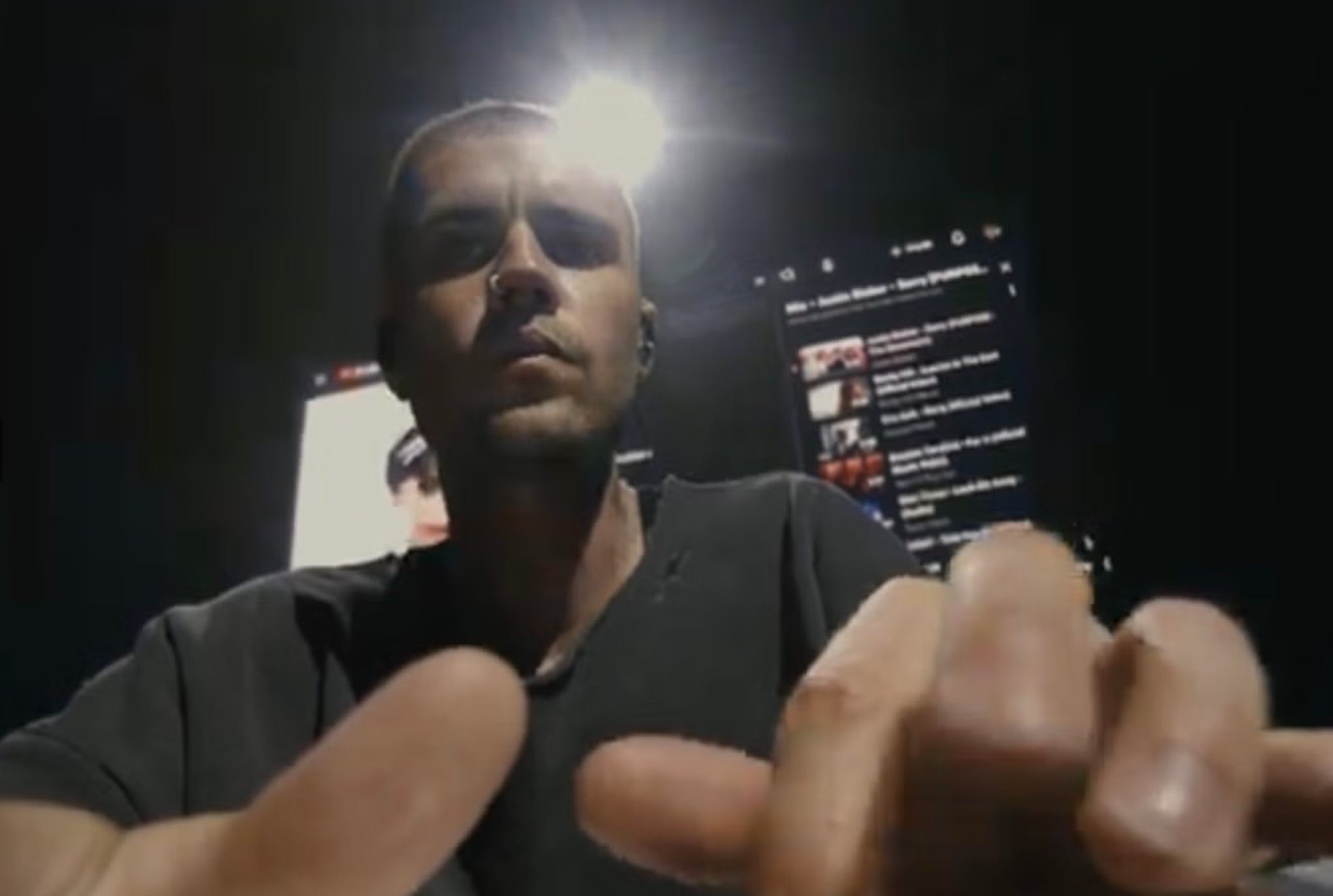
Earlier this spring, Justin Bieber’s Coachella set went viral. If you were anywhere near the internet during that week, you probably saw the clips, his old songs trending again, everyone suddenly arguing about whether he was phoning it in or whether the haters were being unfair.
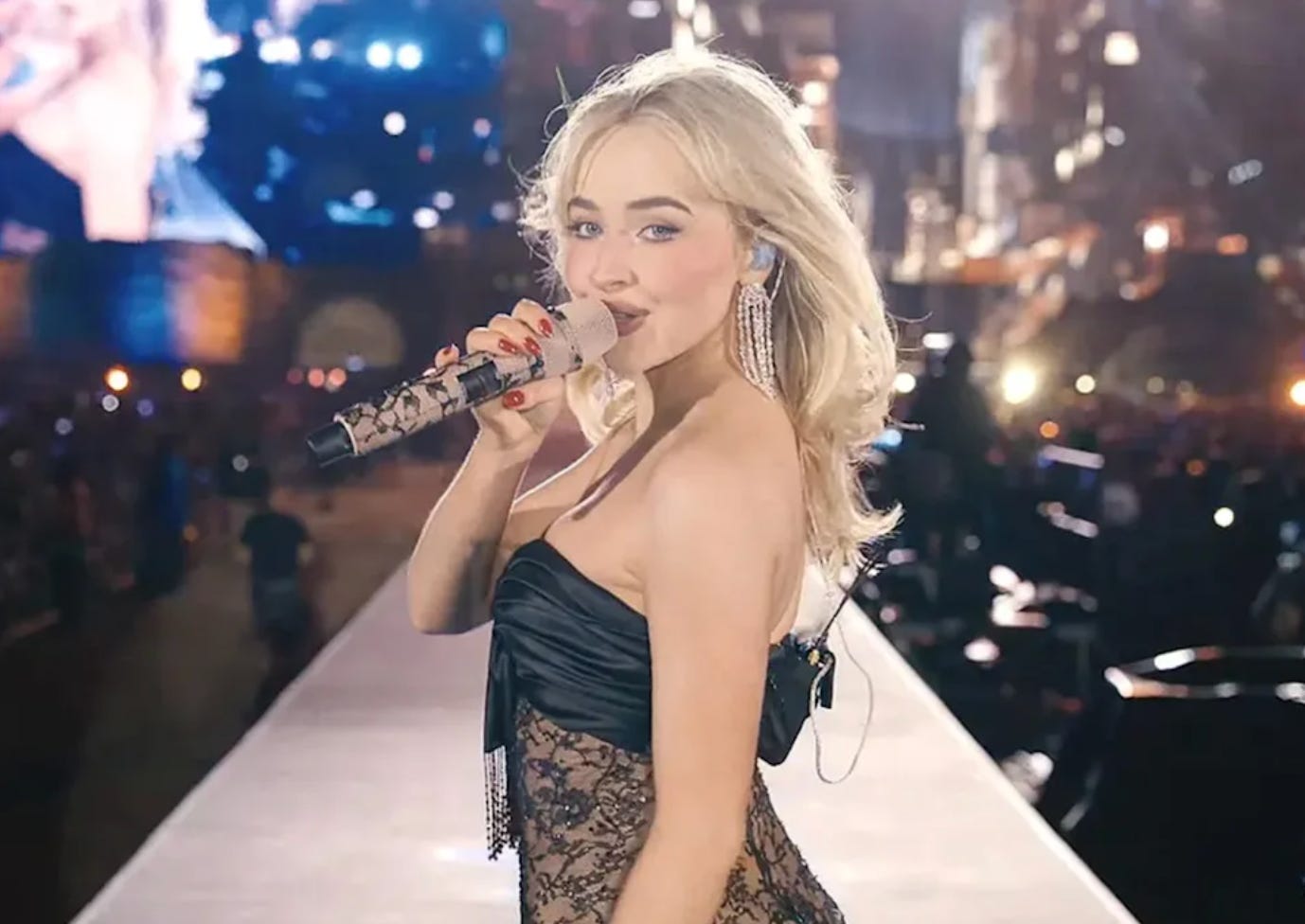
I have actually been to a Bieber concert, back in 2022, and I can report he was the lowest-energy performer I’ve ever paid to see, so I had opinions. I didn’t watch his set but based on the commentary I saw online, I agreed he seemed to be doing the bare minimum, especially compared to Sabrina Carpenter (whose performance I did watch. Shoutout to Katy Perry though her comment on his set was hilarious).
Then I saw that somehow Beiber’s set was viewed 100x more than Sabrina’s and I was suspicious. YES you read that right! Sabrina’s set was viewed by 1-2 million people and Bieber’s was 149 million.
Then I read a piece in Vulture this week with the headline “The Feed Is Fake,” and I have not been able to stop thinking about it. The reporting lays out something I sort of knew in the abstract but had never seen named so clearly: a lot of what feels like organic, everybody’s-talking-about-it virality is paid for by underground “clipping” companies.
Bieber was reportedly a client of one of the companies that does this. Which means the thing I had a take on may have been engineered specifically so that I would have a take on it.
So let me explain what I mean by “the clipping economy,” because once you see it you can’t unsee it.
Here’s the basic machinery. There are companies, one is called Floodify, whose entire business is flooding your feed. Some of them run fake accounts and bots to manufacture engagement. The more interesting and more sinister version is clip farming.
Say you’re a company with a TV show, or a record label with an artist, or a brand with a campaign. You pay one of these firms, and they hand the work out to contractors, essentially gig workers picking up clipping jobs the way someone picks up an Uber Eats delivery. Those contractors take one piece of content and clip it, repost it, and reframe it as many times as humanly possible across as many accounts as they can run.
The goal is volume. If forty versions of the same moment hit your feed in the same week, your brain reads that as a cultural event. Everyone’s talking about it. Except a lot of “everyone” is one person getting paid roughly a dollar per thousand views.
The worst part is that these aren’t always accounts that look fake. Some of them are built to look like real, consistent, trustworthy creators. A normal feed, a coherent worldview, etc. And then the same operation runs a second account with the opposite worldview. The piece describes people playing both sides of a single issue, one account with the liberal take, another with the conservative one, because they don’t get paid to be right. They get paid for views, and outrage from any direction pays the same.
It’s not influencer marketing in the old sense— where someone gets a check from Dove to tell you the body wash is great. It’s someone getting paid to generate “discourse” about a product, positive or negative, rage-bait either way, and you’d never know it was an ad because nobody’s disclosing anything. (This is, for the record, against FTC rules. It’s also nearly impossible to enforce when one operation is running thousands of accounts.)
From the article: “It’s like a soccer game where everyone’s paying the referee. You have to pay the referee to keep playing.”
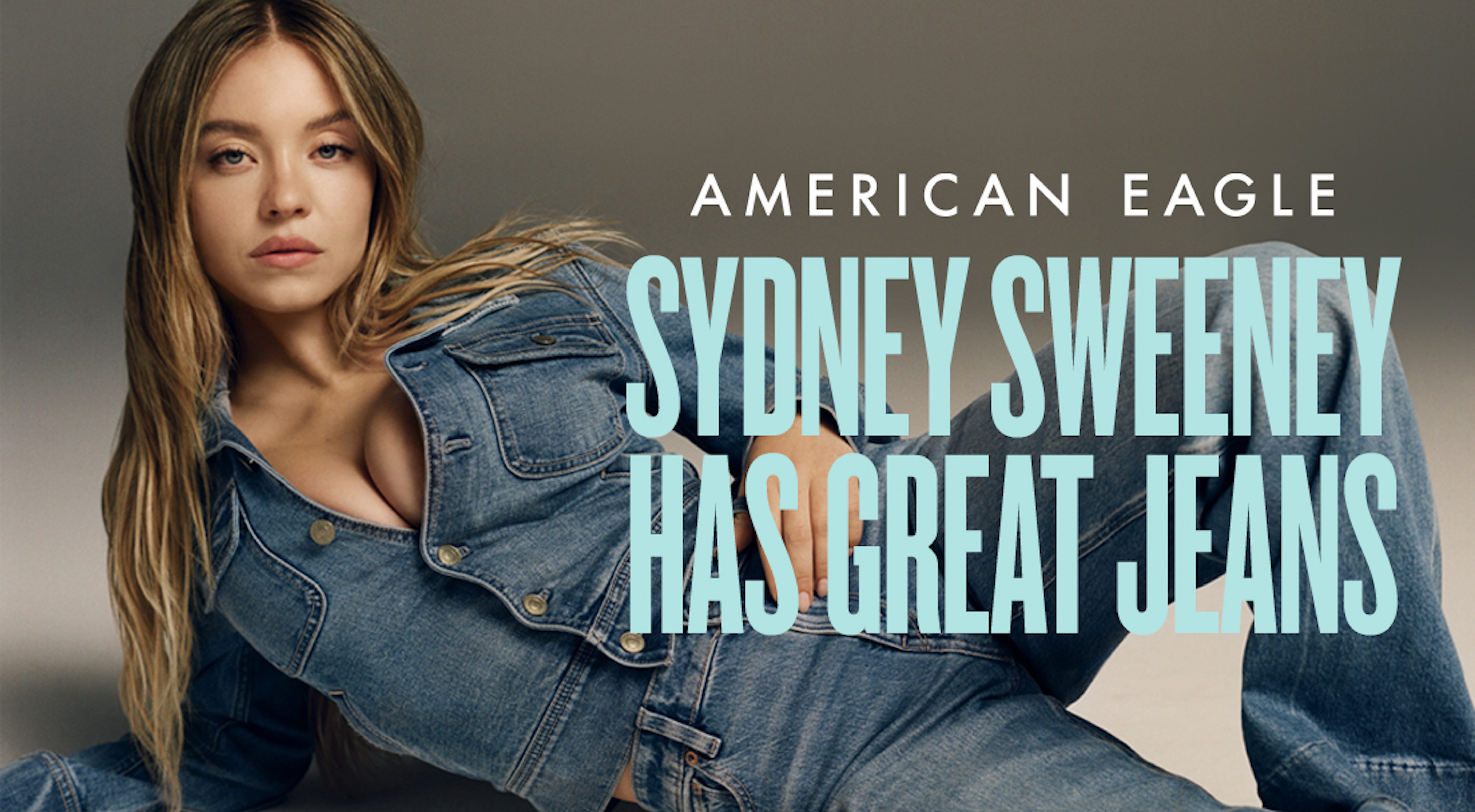
It’s not a few bad actors gaming an otherwise honest system. It’s the cost of entry. Record labels reportedly do this for entire rosters. The reporting traced it through the Sidney Sweeney American Eagle campaign, through political content, through paid hate campaigns against candidates like Mamdani. When the playing field works this way, “we’d never do that” stops being a moral stance and starts being a competitive disadvantage, and so almost everyone ends up doing it.
The part I keep circling back to isn’t really about marketing, though. It’s about what this does to your sense of what’s real. We make decisions based on consensus. We always have. If it seems like everyone has turned on a person, or everyone loves a product, or everyone agrees a thing is true, that shapes what you think and how you act. Often before you’ve consciously decided anything.
That instinct was a reasonable one to have for most of human history. The crowd was actually a crowd. Now the crowd might be one contractor with forty accounts and a bot farm, and your gut still reads it as a stadium full of people. We’re reacting to manufactured consensus as though it were the genuine article, and then, by reacting, we feed the exact machine that manufactured it. I have definitely shared about things that in hindsight I think were clip campaigns.
I don’t have a tidy fix for this, and I’d be lying if I pretended otherwise. You can’t fact-check your entire feed. You can’t reverse-image-search the zeitgeist. But I’ve noticed that just knowing the machinery exists changes how a viral moment feels in my body. There’s a half-second of pause now, a quiet “wait, who benefits if I believe everyone’s talking about this?”
It makes me slower to mistake volume for truth. The fact that something is everywhere is no longer evidence that it matters. Sometimes it’s just evidence that someone paid for it to be everywhere.
We get into all of this much deeper in the episode, including the dating-content side of it and why Sam had to completely rebuild her algorithm with sea otters and Pride and Prejudice to find her way back to reality, so definitely listen for the full conversation.
In the meantime, I’m curious: has there been a viral moment you were completely swept up in, only to wonder later whether any of it was real? A drama, a product everyone “couldn’t stop talking about,” a take that seemed to be everywhere for a week and then vanished??
Xx, Amanda
Hi Amanda. First of all thank you for this post, It's really great and to the point!!!. Secondly, in an attempted answer to your question, I tend to ignore show-biz posts but I admit I enjoy posts and stories about animals and their interactions with children. Well, I recently noticed that my feed was over flooded with just that, and after checking it I starting noticing, that most of the characters in the various "news" "stories" regarding children and animals had the same names, age, etc. And then I began noticing that the attached photos were actually produced by AI. My conclusion was that probably the stories were AI as well. I no longer read those posts, despite liking them, because it made me feel that I was being hacked, and didn't want to contribute to it. I hope this makes sense. Thank you again.